- One-Stop Solution For Door Industry
- 008617749755602
- cassia@yoyimachinery.com

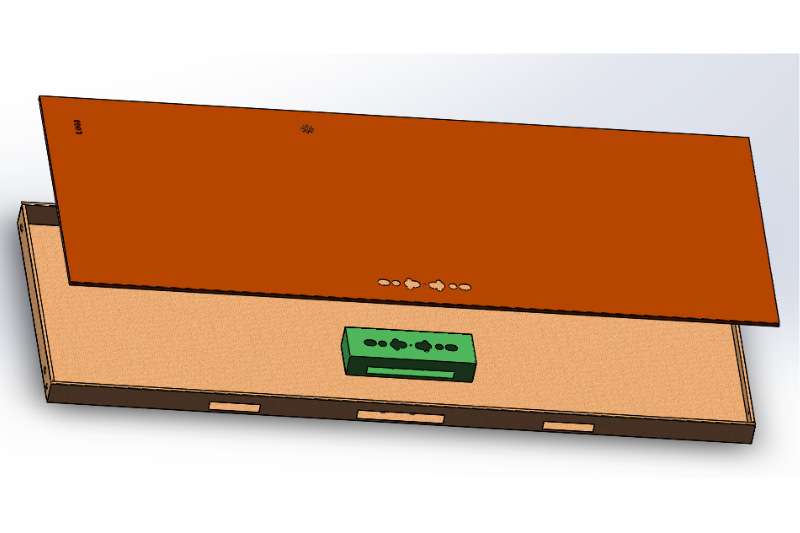
Fireproof Steel Door Production Process
Fireproof steel doors are specially engineered to provide fire resistance, safety, and durability in residential, commercial, and industrial buildings. The production of fire-rated steel doors follows a highly controlled process that ensures compliance with international safety standards such as UL, BS, EN, and NFPA codes. These doors are designed to withstand high temperatures, prevent the spread of flames and smoke, and protect building occupants during emergencies.
Key Materials Used in Fireproof Steel Door Production
-
High-Quality Steel Sheets
-
Cold-rolled or galvanized steel, typically 0.8mm – 1.5mm thick.
-
Provides strength and durability.
-
-
Fire-Resistant Core Materials
-
Mineral wool, ceramic fiber board, honeycomb, vermiculite board, or perlite boards.
-
Insulating materials that delay heat transfer.
-
-
Reinforcement Plates
-
Added at hinge, lock, and closer points for stability and strength.
-
-
Intumescent Seals
-
Expand when exposed to heat, sealing gaps to block smoke and flames.
-
Fireproof Steel Door Production Process
-
Steel Sheet Preparation
-
Steel coils are uncoiled, flattened, and cut into door-sized blanks.
-
Sheets are cleaned and treated for rust prevention.
-
-
Stamping & Embossing
-
Hydraulic presses emboss decorative or plain patterns.
-
Precision stamping ensures consistent shape and dimensions.
-
-
Frame & Panel Forming
-
Door frames and skins are bent and shaped using forming machines.
-
Lock and hinge holes are punched at this stage.
-
-
Core Filling
-
The door leaf is filled with fireproof core material such as mineral wool or vermiculite.
-
Ensures fire resistance for 30, 60, 90, or 120 minutes depending on design.
-
-
Welding & Assembly
-
Skins are welded around the core.
-
Reinforcements for locks, hinges, and closers are installed.
-
Corners are welded and polished for strength and finish.
-
-
Surface Treatment & Coating
-
Doors undergo degreasing, phosphating, and powder coating or primer coating.
-
Optional wood-grain transfer or PVC lamination for decorative finishes.
-
-
Installation of Accessories
-
Fire-rated locks, panic bars, vision panels (fire-rated glass), and door closers are fitted.
-
-
Quality Inspection & Fire Testing
-
Each batch undergoes strict inspection for dimensions, welding strength, and coating thickness.
-
Sample doors are tested in fire-testing furnaces to confirm fire rating compliance.
-
-
Packaging & Shipping
-
Finished doors are wrapped in protective films and packed for safe transport.
-
Applications of Fireproof Steel Doors
-
Residential Buildings – Apartment entry doors, basement doors.
-
Commercial Buildings – Offices, hotels, malls, and hospitals.
-
Industrial Facilities – Warehouses, factories, and power plants.
-
Public Institutions – Schools, airports, government buildings.
Advantages of Fireproof Steel Doors
-
Life Safety – Protects occupants by delaying fire spread.
-
Regulation Compliance – Meets international fire safety codes.
-
Durability – Stronger than wooden fire doors, long service life.
-
Customization – Available in different fire ratings, designs, and finishes.
-
Added Security – Provides both fire resistance and burglary protection.
Fire Rating Standards
-
30 Minutes Fire-Rated Door (FD30) – For residential and light commercial use.
-
60 Minutes Fire-Rated Door (FD60) – Widely used in offices and apartments.
-
90–120 Minutes Fire-Rated Door (FD90/FD120) – Industrial and high-risk areas.
A fireproof steel door production line integrates cutting, embossing, core filling, welding, coating, and assembly into a streamlined process. This ensures consistent quality, mass production, and compliance with certification requirements.


