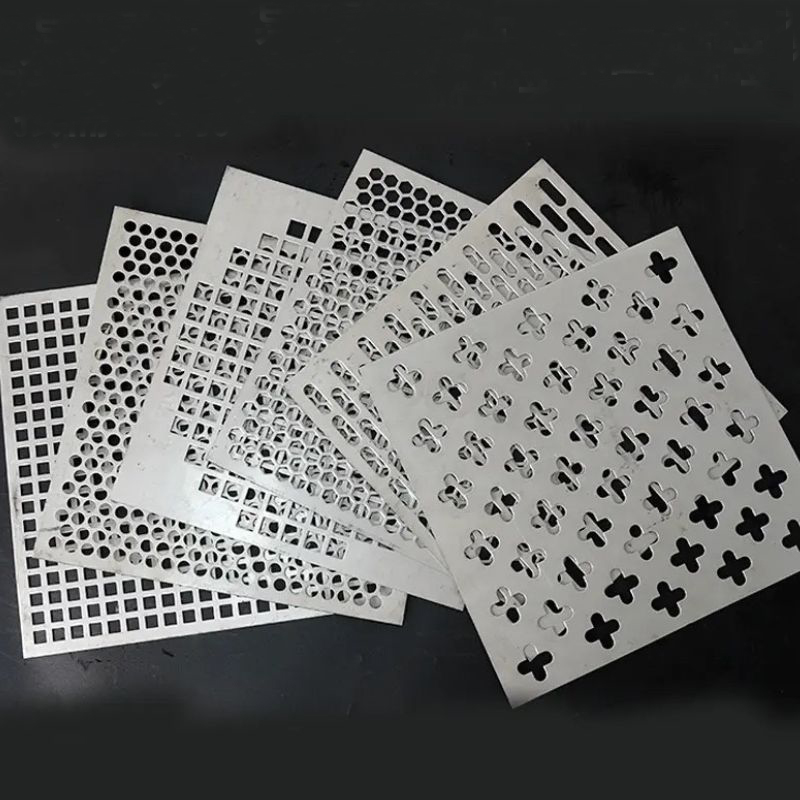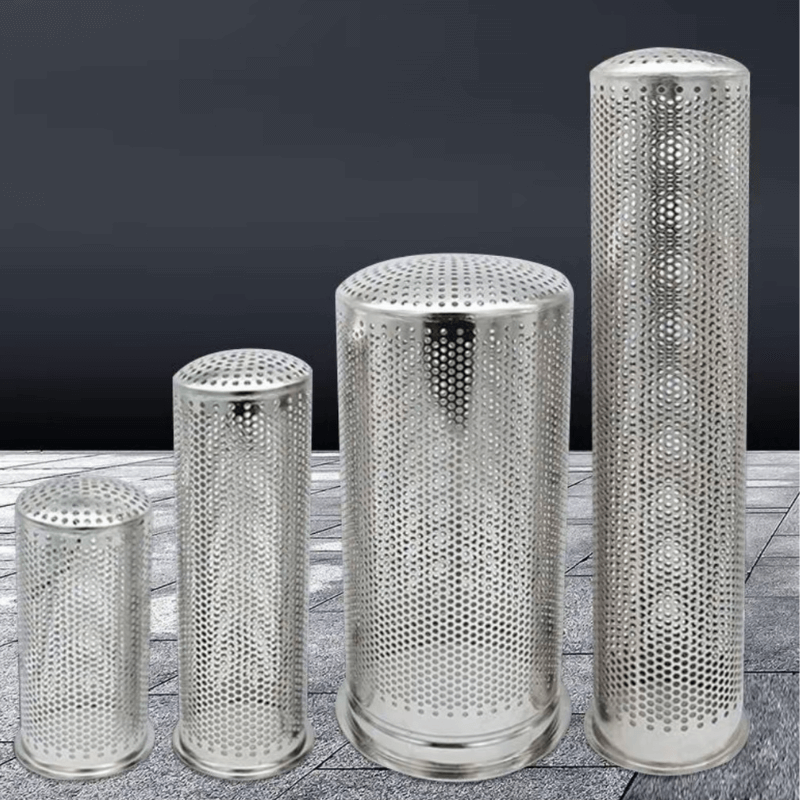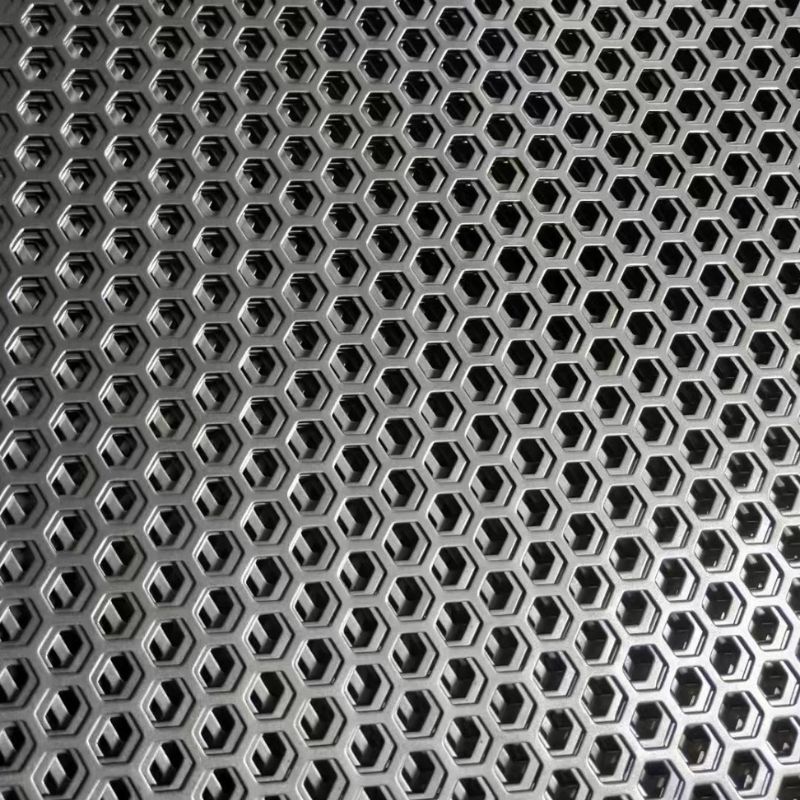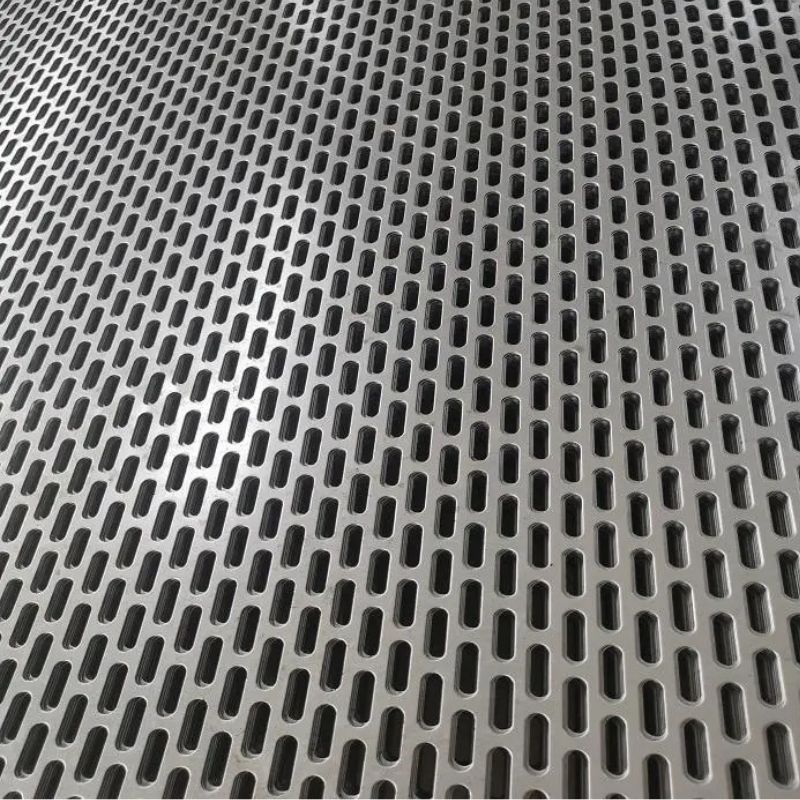

What is Perforated Metal Mesh?
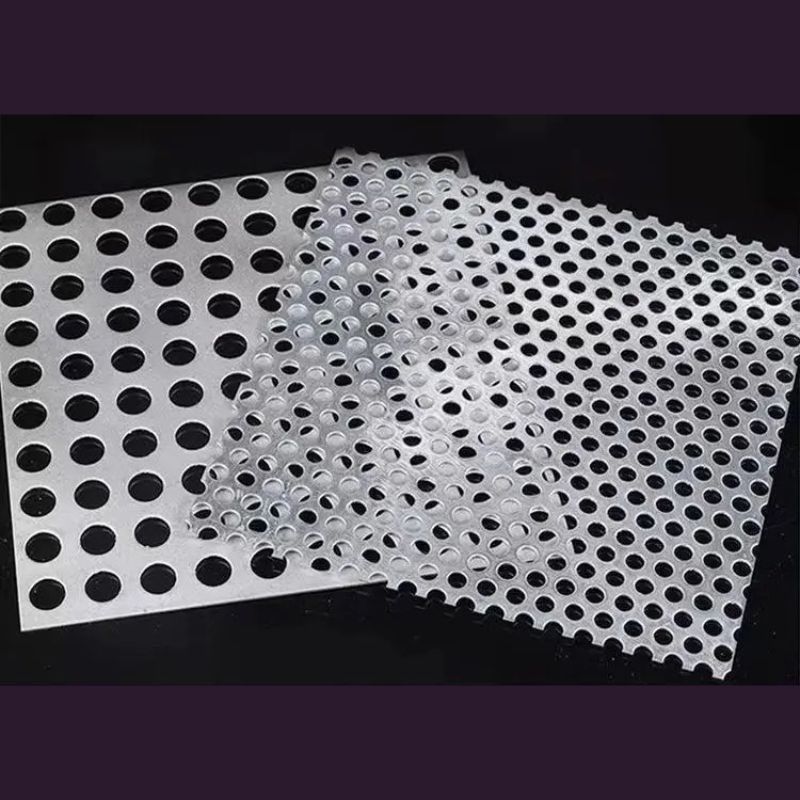
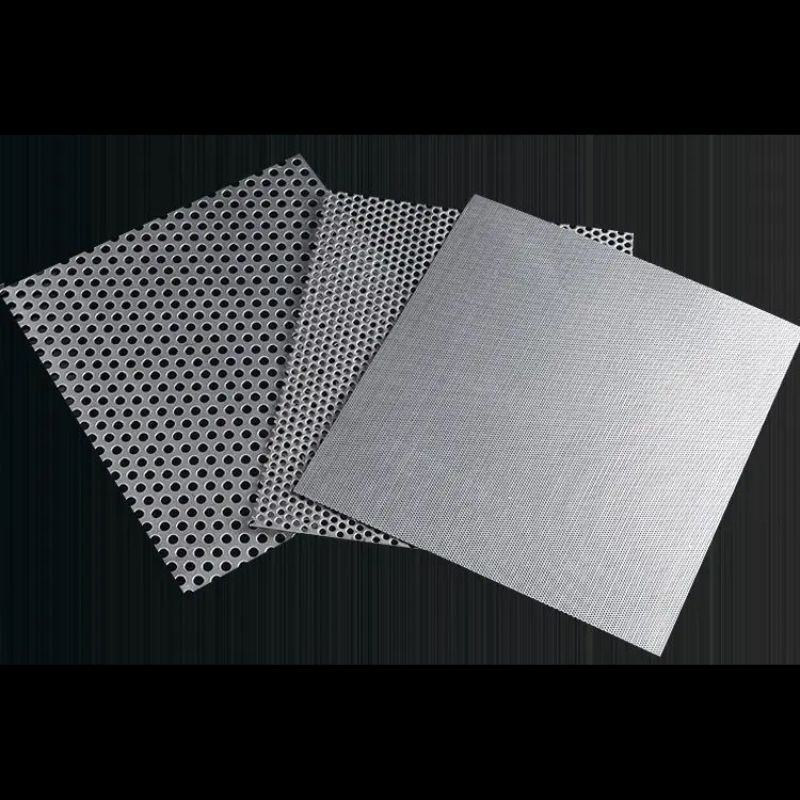
Perforated metal mesh refers to sheets of metal that have been mechanically or manually punched with holes or patterns to create a mesh-like structure. It combines the durability and strength of solid metal with the flexibility and functionality of mesh. Available in various materials such as stainless steel, galvanized steel, aluminum, copper, and brass, perforated metal mesh is a critical component across industrial, architectural, and commercial sectors.
Why Choose Perforated Metal Mesh?
1. Unmatched Strength and Longevity
Unlike fabric or plastic mesh, perforated metal mesh is designed to withstand heavy wear, extreme temperatures, and environmental challenges. It resists corrosion, impact, and deformation, ensuring long-term structural integrity.
2. Precise Control of Airflow and Light
The perforations in metal mesh allow for controlled air circulation, water drainage, and light filtration. This makes it ideal for ventilation systems, shading devices, and sound absorption panels.
3. Functional and Aesthetic Appeal
С various hole sizes, shapes, and patterns, perforated mesh can be tailored to blend functionality with modern design. It is often used in architectural facades, interior design features, and artistic installations, delivering a sleek, contemporary appearance.
4. Environmentally Sustainable
Сделано из fully recyclable metals, perforated metal mesh contributes to eco-friendly construction and industrial practices. It supports Сертификаты LEED and other green building standards.
Key Applications of Perforated Metal Mesh
1. Architectural Design and Building Facades
Perforated metal mesh is a popular choice in modern architecture due to its ability to balance aesthetics with functionality. Applications include:
Sunshades and louvers
Decorative facades and cladding
Ceilings and partitions
Acoustic panels
It provides thermal efficiency, privacy, and a distinct architectural identity.
2. Industrial and Mechanical Uses
Industries rely on perforated metal mesh for its resilience and adaptability. Common applications are:
Machine guards and enclosures
Air and fluid filtration systems
Acoustic noise barriers
Sieving and screening operations
Its high strength-to-weight ratio allows it to perform under demanding operational conditions.
3. Security and Safety Applications
Perforated mesh serves as an effective protective barrier in:
Fencing and gates
Window screens and doors
Staircase guards and railings
It offers enhanced visibility and airflow without compromising on security.
4. Automotive and Transportation
In automotive engineering, lightweight and corrosion-resistant perforated metal mesh improves both performance and aesthetics:
Radiator grilles
Heat shields
Ventilation panels
Speaker covers
Its use supports vehicle weight reduction и thermal regulation.
5. Agricultural and Food Processing
The perforated structure allows for easy cleaning and resistance to bacterial buildup, which is essential in food-grade applications like:
Сушилки для белья
Sorting and washing trays
Grain and seed filters
Stainless steel mesh is particularly favored in these environments.
Types of Perforation Patterns in Metal Mesh
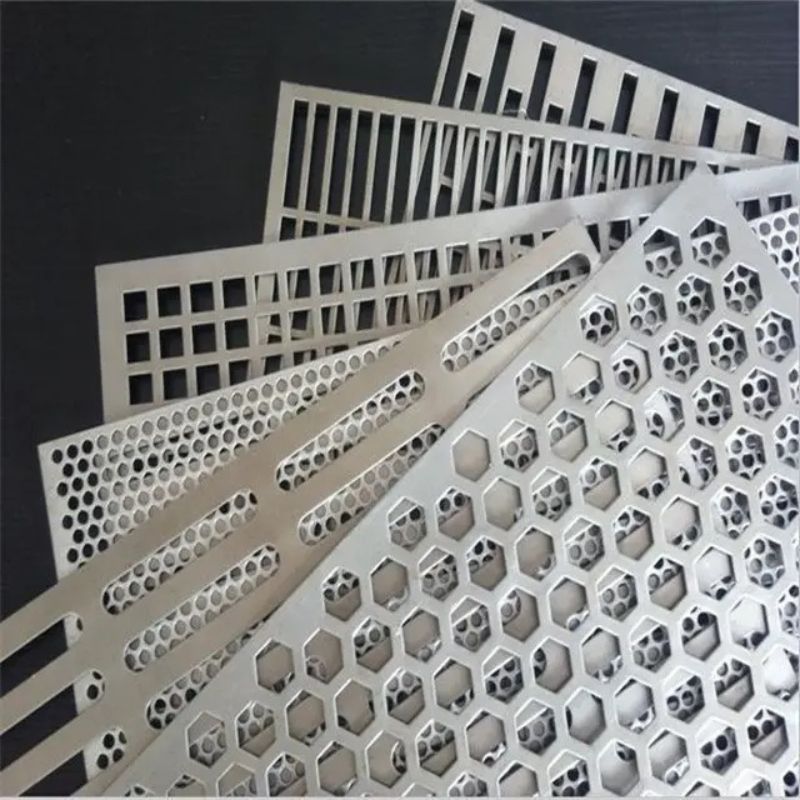
1. Round Holes
Round hole patterns are the most common and efficient for open area optimization. Suitable for:
Вентиляция
Screening
Decorative purposes
2. Square Holes
Square perforations offer a clean, geometric appearance and are ideal for:
Retail displays
Fencing
Architectural applications
3. Slotted and Rectangular Holes
Slotted holes allow for directional flow of materials such as in sieving or draining. They are useful in:
Industrial processing
Drying operations
4. Hexagonal and Custom Patterns
These patterns enhance visual appeal while maintaining strength and airflow. They are widely used in:
Architectural cladding
Bespoke interior designs
Available Materials for Perforated Metal Mesh
1. Нержавеющая сталь
Highly resistant to corrosion, heat, and chemicals, ideal for:
Hygienic environments
Marine and coastal applications
Medical and food-grade use
2. Galvanized Steel
Предложения rust protection at an affordable price. Great for:
Outdoor installations
Fencing and enclosures
3. Aluminum
Lightweight yet durable, aluminum mesh is perfect for:
Ceilings and decorative panels
Ventilation systems
It is also naturally resistant to corrosion.
4. Brass and Copper
These offer a decorative finish and antimicrobial properties, making them suitable for:
Interior accents
High-end retail spaces
Public buildings
Custom Fabrication Options
To suit diverse applications, manufacturers offer custom perforation and finishing services, включая:
Custom hole sizes, shapes, and spacing
Cut-to-size panels
Folding, welding, and surface treatments
Powder coating or anodizing
These customization options allow clients to achieve both technical and design-specific goals efficiently.
Advantages Over Alternative Materials
Higher durability than plastic mesh
Better fire and weather resistance
Superior load-bearing capacity
Fully recyclable and low maintenance
This makes perforated metal mesh a more sustainable and economical choice in the long run.
Factors to Consider Before Purchasing
When selecting perforated metal mesh, assess:
Тип материала based on environmental exposure
Hole pattern and size according to airflow or filtration needs
Sheet thickness and weight for structural requirements
Open area percentage for visibility or light transmission
Отделка поверхности to match aesthetic or corrosion resistance demands
Always source from reputable suppliers to ensure precision manufacturing and consistent quality.
Заключение
Perforated metal mesh is a high-performance, multi-functional material that serves a wide range of purposes — from architectural design to industrial filtration. With limitless customization options and exceptional durability, it remains a top choice for engineers, architects, and manufacturers alike.